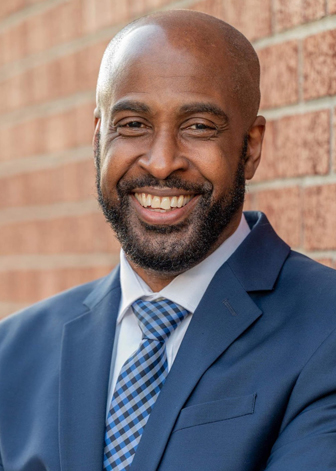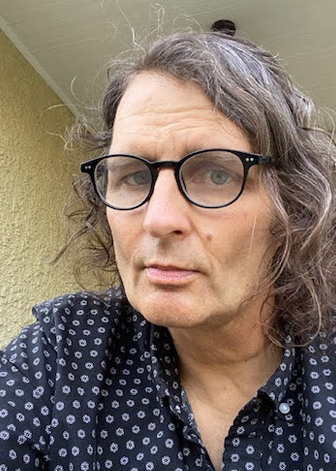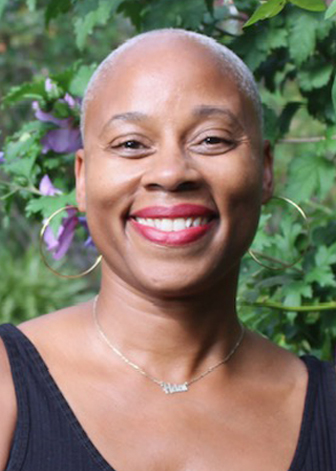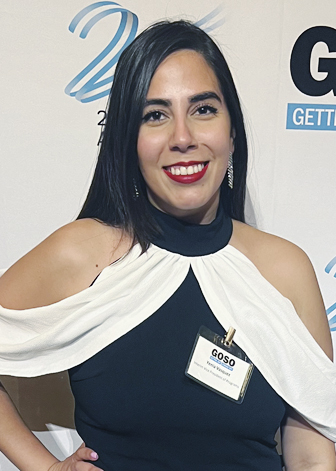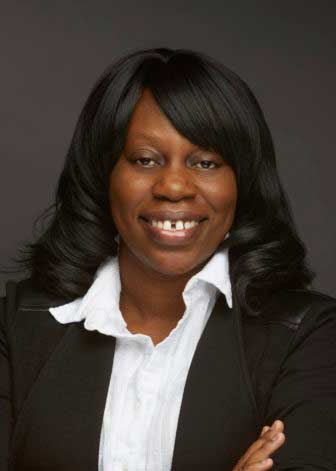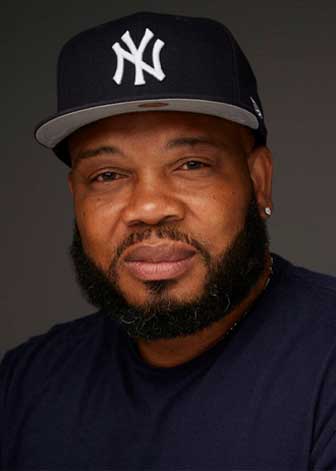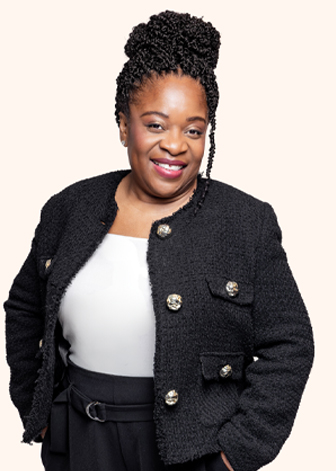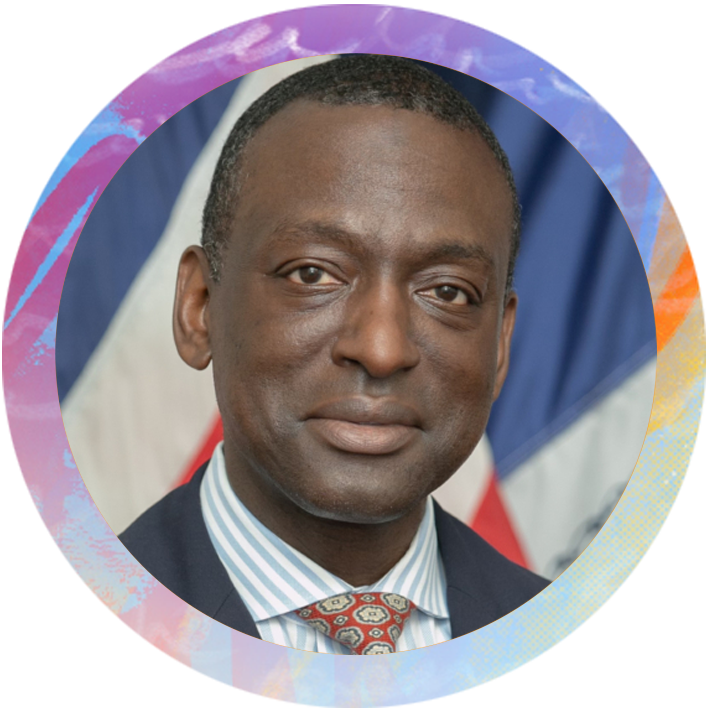
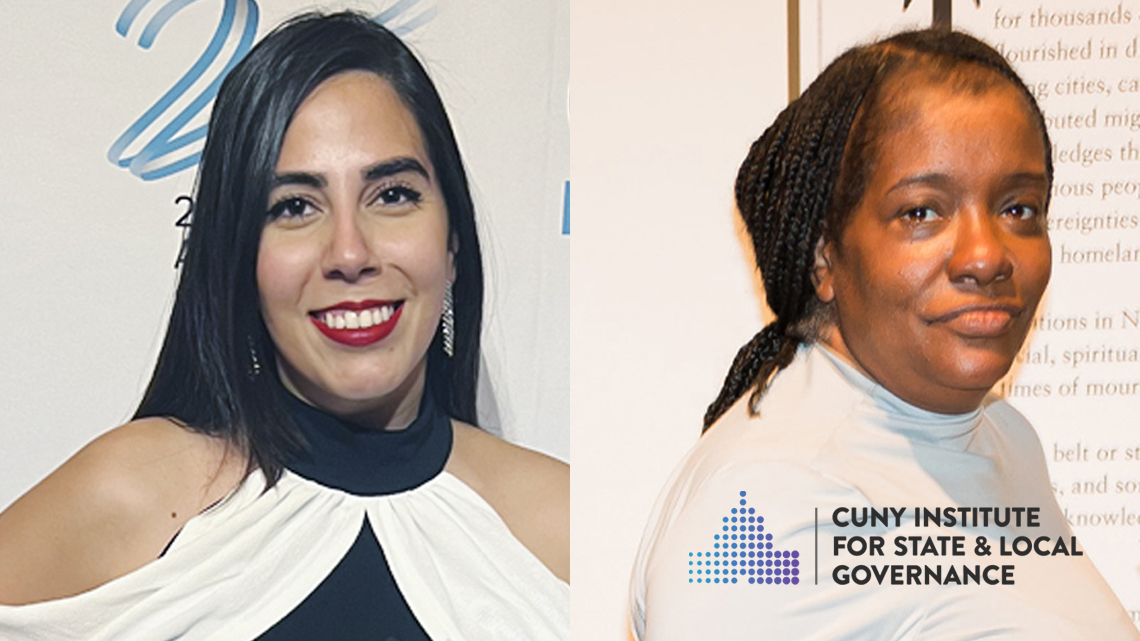
 The CUNY Institute for State & Local Governance has a great new article on their blog about restorative justice and the professionals that do the daily work. They explain why it’s important to include more holistic healing in public services and why processes in the framework, like restorative justice circles, foster a stability that is key to making everyone involved more safe while providing for better outcomes. GOSO staff members Joi Gillespie (Director of Education) and Yenia Vasquez (Vice President of Community Programs) we’re happy to share their insights with the institute alongside other key leaders in the field. See their quotes below and head to the institute’s website to read more.
The author provides a great intro the framework of restorative justice and why the current paradigm of criminal justice doesn’t work:
Safety is a common political talking point, as well as a common goal and metric for government-funded services. But it’s also an innate feeling you can identify within your own body. And what is often missing from the political or funding conversation is how to create long-term, sustainable community safety—meaning safety that comes from addressing root causes of violence, that creates that innate sense of safety, and doesn’t exclusively rely on incarceration.
In America, at least for the past few decades, the answer has been to punish those deemed to make us less safe. To punish the person who harmed another person or property by removing them from society. The intention has been to punish and make an example of the person who commits the harm, to discourage similar incidents.
On a basic level, this may make sense short-term: the person is no longer among the general public. But does this form of punishment address the root cause that led to the incident, repair the harm that was committed, or just show negligible impacts on safety? Does it require real accountability, or mostly shame that compounds with reduced opportunity after release? Does it involve the larger community to understand—without excusing—why it happened, and how to prevent it from happening again?
In New York City, policymakers and community organizations that work with people impacted by the legal system have been contending with these questions. Last year, around 2,000 people entered the City’s jail system every month, with nearly the same number released. Tens of thousands more were redirected through alternative-to-incarceration (ATI) programs in the community. The breadth of these systems beg even more questions: How do public systems and services prevent crimes from happening? How do they ensure responses to crime hold people accountable, yet don’t add to cycles of violence and incarceration?”
Yenia told the institute about the hard work that goes into actual healing through restorative justice:
“Everyone thinks restorative justice is only about peace and healing. It’s not. You need accountability.
Before you have peace, there’s so many things you need to accomplish: understanding, accountability, and consequences. But it doesn’t have to be punitive.”
“We’re from New York City. We know it’s not kumbaya on the streets. RJ is slow. It’s intentional. It takes a beat. It’s humanistic. For all those things, it feels against the fast-paced nature of NYC. But it’s not. The work speaks for itself.”
– Yenia Vasquez, Vice President of Community Programs, GOSO
These “outside of the box” services include wraparound support that encompass court advocacy, transition plans, education, and employment. It also includes one-on-one therapy, traditional group therapy, and peacemaking circles that can both celebrate accomplishments and respond to incidents of harm. GOSO’s manager of reentry services, Yarelis Leonardo, said participating in these conversations provides them with a new way of communicating.
“We’re meeting people on Rikers and at Horizon [Juvenile Center], working with people who have a certain mindset on how they handle conflict,” Leonardo said. “RJ builds a safer community within GOSO and out. These individuals are now in these circles having direct conversations, rather than them going out and acting out with their emotions. They’re more regulated and can talk to someone instead of just bottling things up and exploding.”
Through this approach, Leonardo said that participants are more willing to accessing services, which she described as focusing “on the three ‘E’s’: emotional wellbeing, education, employment.”
“And then there’s the fourth ‘E’: exposure … That’s where RJ fits in. We expose staff and participants with another way of doing things. We have all been harmed by the educational system. It’s law and order. RJ allows us to be exposed to a different way.”
– Joi Gillespie, Director of Education, GOSO
Read the full article at the CUNY Institute for State & Local Governance here.